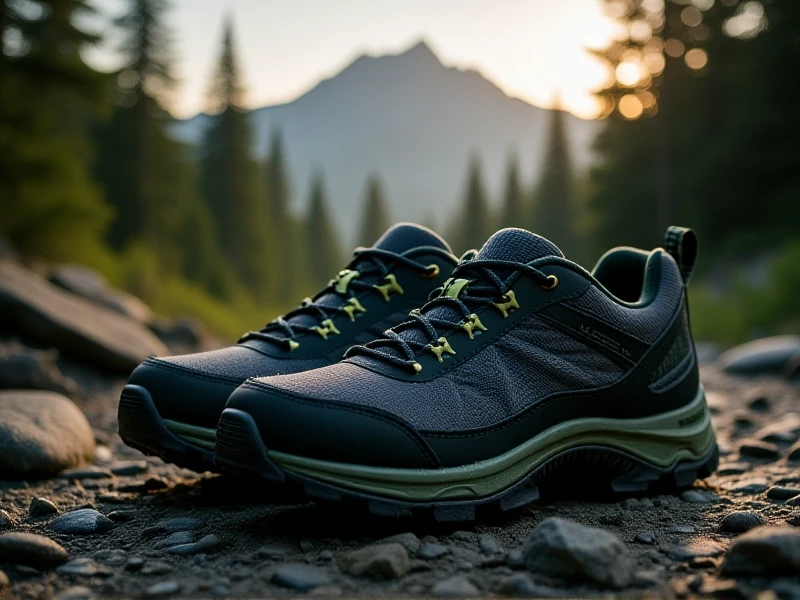
The Ultimate Guide to Choosing Mountaineering Shoes in 2024
Finding the right pair of Mountaineering Shoes is critical for summit success. These specialized boots bridge the gap between hiking and technical climbing, demanding features prioritising safety, support, and performance on extreme terrain. Understanding their unique characteristics helps make an informed choice.
Distinct from hiking boots, Mountaineering Shoes are engineered for steep, challenging alpine routes involving rock scrambling, glacier travel, and snowfields. Several key aspects define them:
- Sturdy Construction: Built with durable, often waterproof materials like synthetic leather and Cordura nylon to withstand sharp rock abrasion and harsh elements.
- Rigid Sole: Features a stiff Vibram® or similar compound midsole and outsole. This rigidity prevents foot fatigue on long traverses over uneven rock and provides stability on snow slopes where step-kicking is essential. Look for deep, multi-directional lug patterns designed to grip various surfaces, including loose scree and hard ice.
- Crampon Compatibility: All genuine Mountaineering Shoes feature a rigid 'B' rating (or '1-2' hybrid with semi-rigid) to securely mount strap-on or hybrid step-in crampons, vital for crossing glaciers or icy couloirs.
- Ankle Support & Gaiters: Higher cuffs provide crucial stability over unstable terrain and reduce the risk of ankle twists. Integrated or compatible gaiters shield debris from entering the boot and offer added weather protection.
- Warmth and Protection: Many models include thermal insulation for cold environments. Rubber rands wrap around the toe and heel, protecting against rock strikes and providing grip on rock faces. Reinforced toes aid in edging.
Key Considerations When Buying:
- Fit: Mountaineering Shoes should feel snug everywhere without pressure points or heel lift. Always try them on with the socks you intend to wear. Remember feet swell during ascents.
- Weight vs. Performance: Lightweight boots excel on technical rock routes but sacrifice durability and insulation. Heavier models offer more protection and warmth for high-altitude expeditions or snow travel. Prioritize terrain and conditions.
- Waterproofing: Essential for snow and wet conditions. Gore-Tex® liners are common, offering reliable waterproofing and breathability.
- Dexterity vs. Stiffness: Consider the terrain. Extremely rigid soles excel for kicking steps into firm snow and glacier walking but are less agile on pure rock. Semi-rigid soles offer more trail feel for mixed routes.
Popular Models for Different Missions:
- Technical Scrambling/Alpine Rock: Lightweight models like La Sportiva TX4 or Scarpa Ribelle GTX offer agility and sensitivity.
- General High Mountain Routes: Versatile boots like La Sportiva Trango Tech or Salewa Ortles Pro perform well on mixed terrain and moderate snow.
- High Altitude/Alpine Ice: Heavier duty options like Scarpa Mont Blanc Pro GTX or Lowa Alpine Expert provide robust support and warmth for demanding glaciers.
Expert Tips:
- Break Them In: Wear new Mountaineering Shoes extensively before a serious climb to soften materials and prevent blisters.
- Match Conditions: Pair insulation levels with expected temperatures.
- Maintenance: Clean after use and regularly reapply appropriate waterproofing treatments (NIKWAX®).
Investing in quality Mountaineering Shoes tailored to your objectives significantly enhances safety, comfort, and efficiency in the mountains. Focus on fit, functionality, and terrain requirements to find your perfect pair.