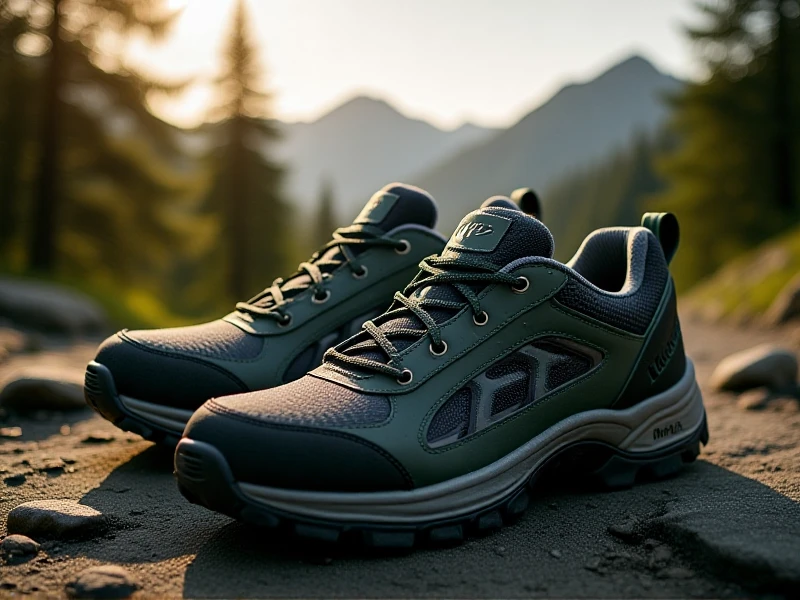
Your Ultimate Guide to Finding the Perfect Sports Shoes
Choosing the right pair of sports shoes isn't just about style; it's fundamental to performance, comfort, and preventing injuries. With countless options flooding the market, navigating the world of sports shoes can feel overwhelming. This guide breaks down the key factors to consider, empowering you to make an informed decision for your next run, gym session, or game.
The cornerstone of selecting great sports shoes lies in understanding your specific activity. Different sports demand unique features. Running shoes, for instance, prioritize lightweight cushioning and forward motion. Basketball shoes require superior ankle support and traction for quick lateral movements. Cross-training shoes offer a versatile blend of stability and flexibility suited for diverse gym workouts. Knowing your primary use is step one.
Crucial considerations for any sports shoes include:
- Fit and Comfort: This is paramount. Shoes should feel snug but not tight, with about a thumb's width of space between your longest toe and the end. Always try them on, ideally later in the day when feet are slightly swollen, and wear the sports socks you normally use. Walk or jog around the store to check for heel slippage, pressure points, or rubbing.
- Cushioning: The level of cushioning depends on impact intensity and personal preference. Runners logging high mileage often prefer ample cushioning for joint protection, while minimal cushioning offers a more natural "ground feel" favored by some for agility work or specific training styles.
- Support and Stability: Analyze your gait (how you walk/run). Do you overpronate (foot rolls inward excessively), supinate (foot rolls outward), or have a neutral stride? Choosing sports shoes designed for your gait helps correct imbalances, reduces the risk of injury, and improves efficiency. Stability or motion control shoes cater to overpronation.
- Breathability: Features like mesh uppers allow air to circulate, keeping feet cooler and drier during intense activity, preventing blisters and discomfort.
- Traction/Outsole: The pattern and rubber compound on the sole dictate grip. Consider the surface you'll be primarily active on – flat indoor courts, trails, or roads.
Don’t overlook shoe lifespan. High-quality sports shoes typically last 300-500 miles for runners, or about 6 months of regular gym use. Worn-out cushioning and support significantly increase injury risk. Rotating between two pairs can also extend their life.
Investing time in choosing the right pair of sports shoes tailored to your activity and unique biomechanics pays dividends. It enhances your performance, maximizes comfort for longer, healthier sessions, and protects your feet and body from unnecessary stress. Your perfect fit is out there – happy hunting! Visit our collection today to explore top brands designed for peak performance.