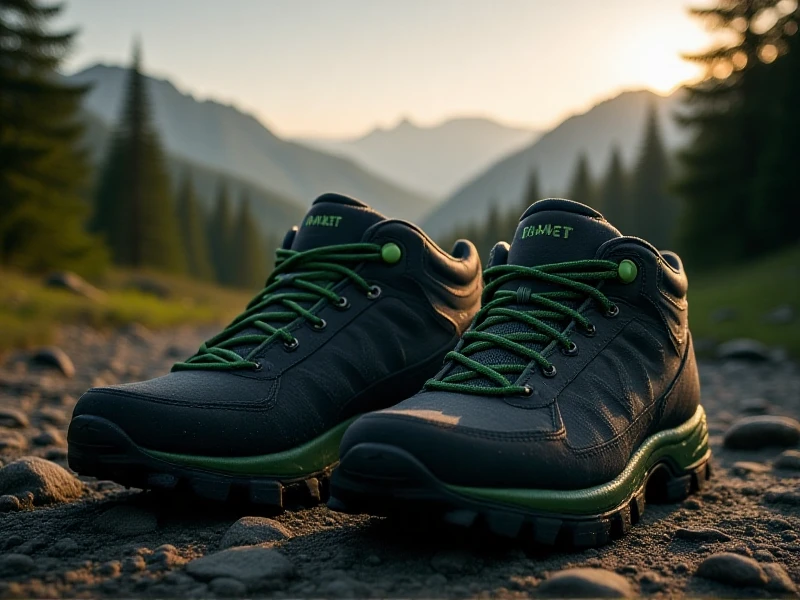
10 Must-Know Features When Buying Perfect Hiking Shoes
Choosing the right hiking shoes is absolutely crucial for any outdoor adventure. The wrong pair can lead to blisters, fatigue, even injury, transforming a planned escape into a painful ordeal. With so many options flooding the market, knowing which hiking shoes genuinely deliver for trails and rugged terrain is essential. Let's dive into the key features that separate exceptional footwear from the merely adequate.
-
Protection & Waterproofing Mastery (Gore-Tex Lining/Water-Resistant Membranes): Your feet deserve a shield against streams, mud, and unexpected downpours. Top hiking shoes incorporate cutting-edge waterproof yet breathable membranes, like Gore-Tex. While not all-day immersible, these linings effectively repel water and perspiration, keeping feet significantly drier and more comfortable mile after mile.
-
Uncompromising Traction Vibram Soles: The foundation of any great hiking shoe is its sole. Look for renowned Vibram rubber compounds or similarly aggressive lug patterns. Deep, multi-directional lugs bite confidently into loose dirt, gravel, wet roots, and smooth rock slabs, preventing slips. The softer the rubber (within reason), often the better the immediate grip, though durability takes a slight hit.
-
Stability & Ankle Support (Mid-Cut Styles): Especially important for uneven ground or carrying a pack, hiking shoes with a supportive mid-cut design provide vital ankle stability without the bulk of full boots. A sturdy heel counter is key – it locks your heel firmly in place, preventing rolling and drastically reducing twisting injuries on uneven paths.
-
Strategic Underfoot Cushioning: Modern midsoles, often using specialized EVA or polyurethane blends, offer crucial impact absorption over rocks and roots. They also provide vital support for the foot arch and ball, enhancing comfort throughout long traverses. Balancing cushioning with adequate trail feel is vital – too soft might compromise stability on technical paths.
Beyond the Big Three: Essential Factors
- Durable, Protective Uppers: Materials must be tough enough to resist scrapes and abrasions (leather or durable synthetics like nubuck or Cordura fabric) while maintaining breathability. Robust toe caps are a must-have shield against stubbed toes.
- Perfect Fit is Non-Negotiable: This is paramount. Your feet will swell while hiking. Try hiking shoes on later in the day, wear the hiking socks you plan to use, and ensure ample toe room (about a thumbnail's width). The heel should lock down securely without lifting, and the midfoot should feel snugly supported, not constricted. Spend quality time, walk on an incline if possible.
- Weight Matters: Modern materials make robust hiking shoes surprisingly lightweight. This directly translates to less fatigue, especially on multi-day trips or long ascents. Compare weights between models with similar support levels.
- Solid Support Structure (Shanks & Plates): Many quality hiking shoes feature a stiff nylon shank in the midfoot or a rock protection plate under the forefoot. This provides torsional rigidity on uneven surfaces, prevents bruising from sharp rocks underfoot, and adds longitudinal stability.
- Smart Lacing Systems: Look for strategically placed eyelets/hooks that allow precise adjustment at pressure points like the ankle collar and midfoot, ensuring a truly dialed-in fit that stays secure.
Finding Your Fit
The perfect hiking shoes blend your specific needs (trail difficulty, distance, pack weight, climate) with these essential performance features. Carefully consider waterproofing necessity vs. breathability trade-offs. Never skimp on fit or support. Try test wearing indoors thoroughly before commitment – blisters are your worst enemy on the trail. With the right knowledge and careful selection, your ultimate pair of hiking shoes awaits to propel you comfortably and confidently through countless adventures. Explore CragHiker Outfitters today to find boots tailored perfectly to your next expedition. Word Count: Approx. 430