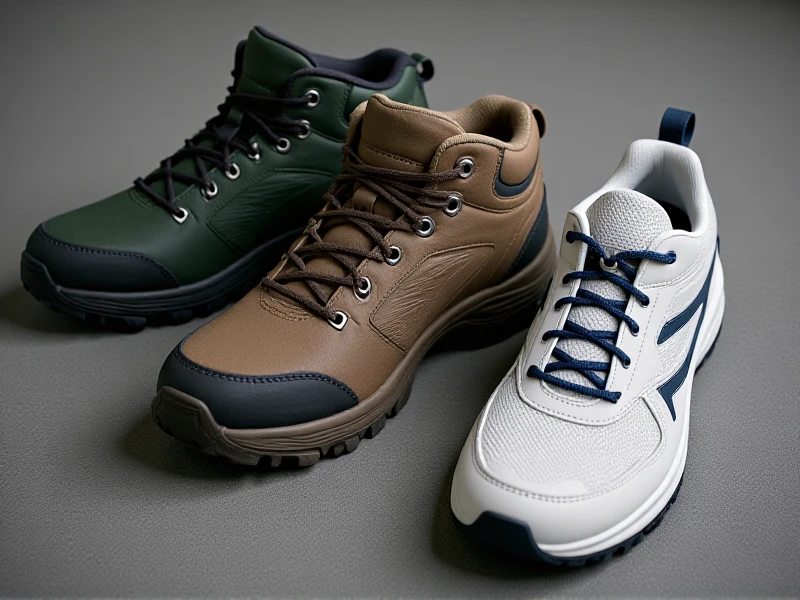
Find Your Grip: Why Choosing the Right Mountaineering Shoes is Crucial
Here's an SEO-optimized article focusing on "Mountaineering Shoes":
Conquering mountains demands peak physical fitness, sharp focus, and unwavering determination. Yet, all these attributes can mean little without the right tool connecting you directly to the terrain: your mountaineering shoes. Far more than just durable boots, these specialized shoes are engineered to provide the critical performance needed for safety and success in technical climbs, variable alpine conditions, and demanding ascents.
Performance Starts at Ground Level: The Sole Factor
The most vital element of any mountaineering shoe is its sole. This isn't just about grip; it's about reliable traction on unpredictable surfaces. High-quality mountaineering shoes feature sophisticated rubber compounds, often utilizing sticky Vibram® or similar proprietary technologies. Deep, strategically designed lugs bite into loose scree, hard-packed ice, and wet rock, providing essential security with every step. Equally crucial is the midsole's stiffness. A rigid sole, compatible with crampon attachment (look for welts designed to accept semi-automatic or step-in crampons), allows for efficient energy transfer on snow, ice, and steep angles, preventing foot fatigue over long, technical sections.
Protection from the Elements & Obstacles
Mountains are harsh environments. Robust mountaineering shoes shield your feet. Durable, often waterproof (like GORE-TEX®) leather or synthetic uppers guard against abrasion from rocks, soaking wet snow, biting wind, and freezing temperatures. Reinforced toe caps and robust ankle support protect against impacts with rock or ice chunks and help prevent rolling injuries on uneven ground. Adequate insulation is key for high-altitude or cold-weather climbs, while breathable membranes help manage moisture and prevent overheating during strenuous activity on warmer approaches.
Fit & Support: Non-Negotiables for Endurance
Simply put, mountaineering shoes should fit snugly without pressure points or heel slippage, yet allow for proper toe splay. A precise fit is paramount for control on technical rock or ice and during long descents where ill-fitting boots can cause blisters and pain. Stiff midsoles support the arches during demanding ascents and traverses. Higher cut designs offer excellent ankle stability, crucial for navigating off-trail, scrambling terrain, or carrying heavy packs – significantly reducing fatigue and injury risk. Trying boots on with the specific socks you plan to wear during climbs is essential.
Beyond Basic Boots
While heavy expedition boots exist for extreme altitudes and prolonged conditions, modern lightweight mountaineering shoes excel for many objectives. These versatile options blend the support and stiffness needed for snow and glacier travel or moderate ice with the agility and lighter weight preferred for rock scrambling and longer, technical routes.
Investing in Confidence on the Mountain
Compromising on mountaineering shoes risks discomfort, injury, or worse. High-quality, well-fitted mountaineering shoes offer indispensable advantages:
- Reliable Traction: Preventing slips on treacherous terrain.
- Essential Safety: Protecting feet from impacts, cold, and wet.
- Increased Efficiency: Reducing fatigue via support and energy transfer.
- Enhanced Stability & Support: Crucial over rough ground and steep slopes.
- Crampon Compatibility: Needed for icy and glaciated terrain.
Ultimately, your mountaineering shoes are your direct link to the mountain's challenge. Selecting footwear specifically designed for these demands ensures every step is taken with greater security, support, and the confidence to focus on the summit ahead. For your next demanding alpine adventure, prioritize finding the perfect pair – your performance and safety depend on it. Consult experienced mountaineers and reputable outdoor retailers to find the mountaineering shoes that best match your objectives and foot shape.